What should I ask a biomass fuel supplier?
Ask about fuel specification, moisture content, particle size, contamination control, storage, delivery planning, winter supply and boiler suitability.
 Request a quote
Resource Centre article
A practical guide for commercial heat users reviewing wood chip supply, fuel quality, delivery reliability and long-term renewable heat confidence.
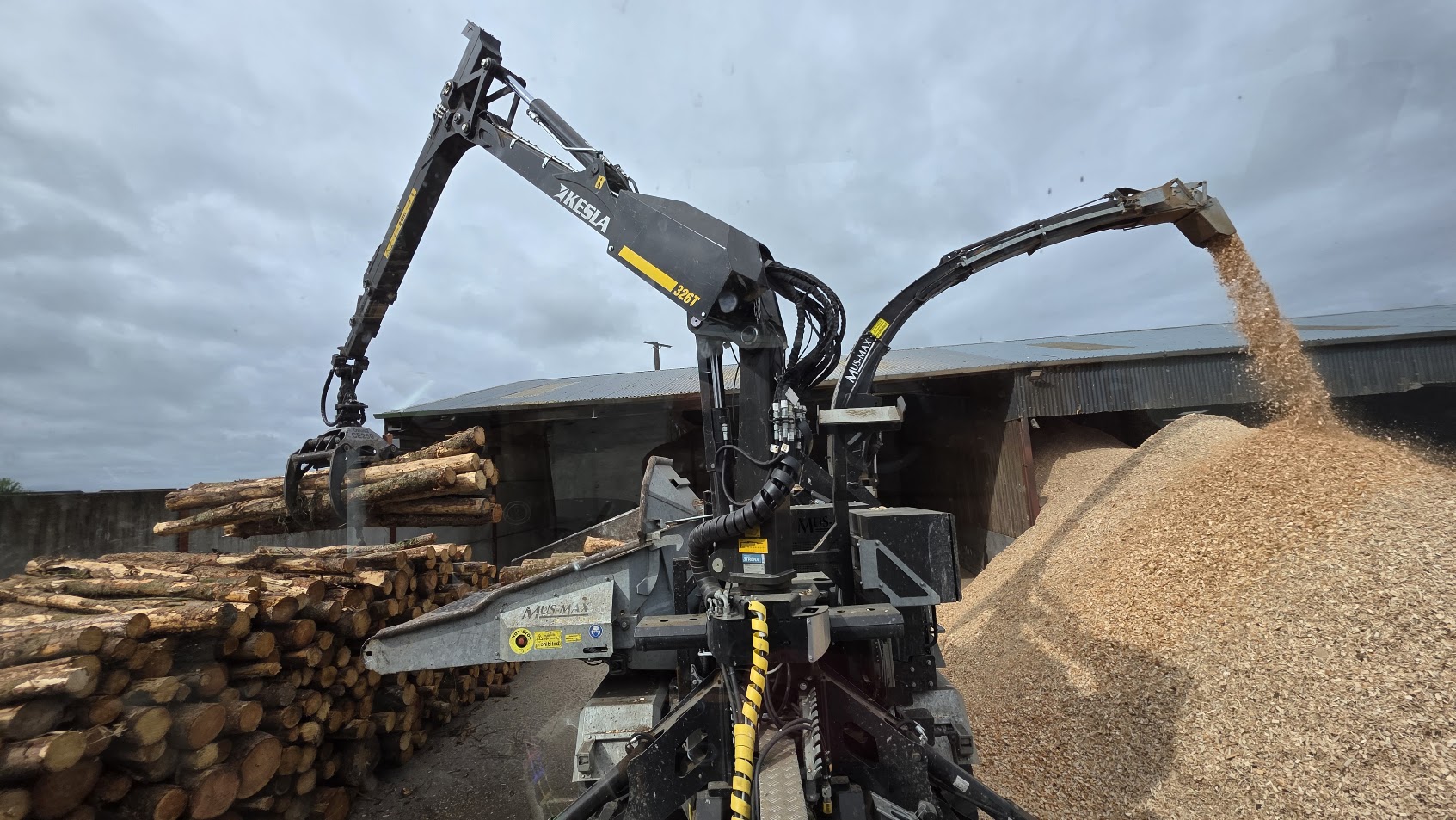
Commercial heat confidence
For a commercial biomass boiler, the fuel supplier is not just another delivery contractor. Fuel quality, delivery planning, moisture content, particle size, supply security and communication all affect how reliably the heating system performs.
Boiler suitability
The first question should not be the price per tonne. The first question should be whether the fuel suits the boiler, feed system, fuel store and operating pattern.
Read about wood chip specificationBoiler manufacturer's fuel specification
Required particle size
Acceptable moisture range
Fuel-store design
Feed-system arrangement
Annual and seasonal demand
Delivery access and restrictions
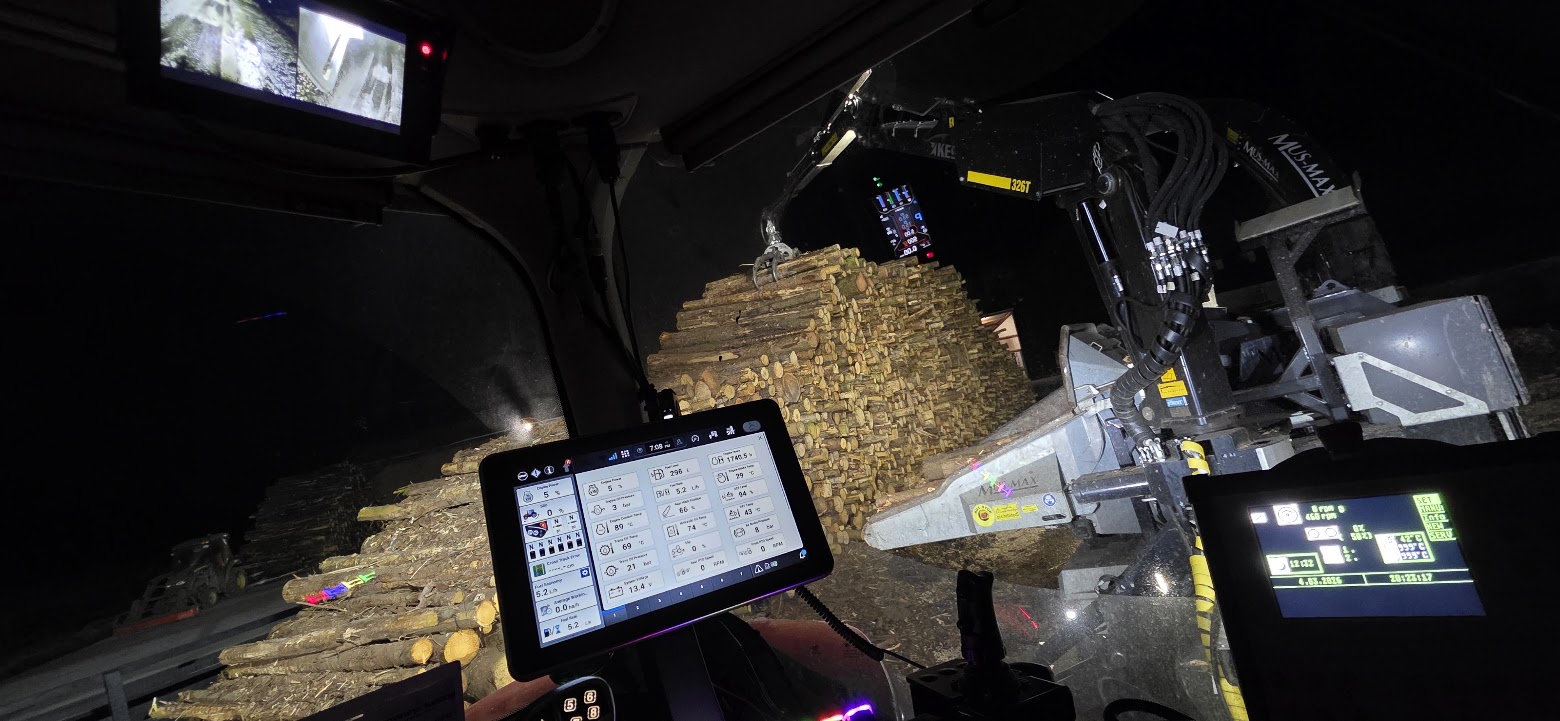
Fuel quality
A serious biomass fuel supplier should be able to discuss moisture content, particle size, consistency, contamination, storage and handling. If the discussion is only about price per tonne, important operational risks may be missed.
Read about fuel qualityMoisture content
Moisture content affects useful energy, handling, combustion and boiler performance. A supplier should be clear about the moisture range being supplied and whether it is suitable for the customer's boiler.
Read about commercial moisture contentSupply security
Commercial heat users need confidence that fuel will be available when demand is highest. A good supplier should understand annual consumption, winter demand, delivery frequency, fuel-store capacity and contingency requirements.
Read about security of supply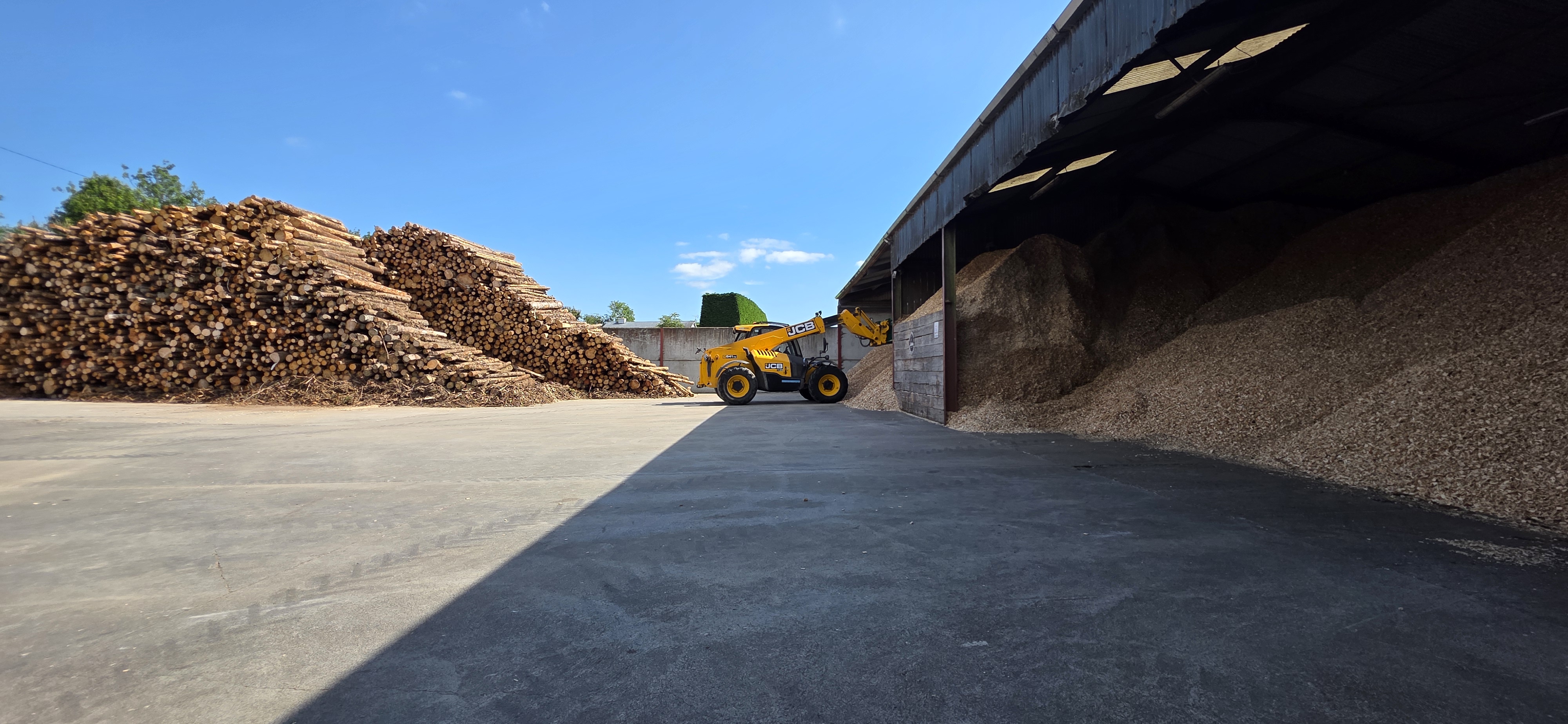
Delivery and site logistics
Even good fuel can become a problem if delivery planning is poor. The supplier should understand site access, turning space, delivery restrictions, store capacity, delivery frequency and how fuel is tipped or loaded into the store.
Access route
Turning space
Tipping arrangement
Fuel-store capacity
Delivery timing restrictions
Seasonal site conditions
Winter access
Communication before delivery
Commercial value
A low price per tonne may not be good value if the fuel has lower useful energy, causes handling problems, increases maintenance demand or creates downtime risk. Commercial buyers should consider cost per useful unit of heat, not only delivered tonnes.
Supplier review
Recurring operational problems should be reviewed carefully. Fuel can be one factor, but boiler condition, storage, maintenance and controls may also contribute.
Unclear fuel specification
Inconsistent moisture content
Recurring fines or oversized material
Poor communication
Unreliable winter supply
No understanding of the boiler system
No discussion of fuel-store limitations
No clear delivery planning
Repeated unexplained boiler issues after fuel changes
Procurement questions
What specification are you supplying?
What moisture range should I expect?
Is the chip suitable for my boiler?
How do you manage consistency?
How do you avoid contamination?
How is fuel stored before delivery?
How do you plan winter supply?
What information do you need from my site?
Can you discuss recurring boiler fuel issues?
Are you certified or working to recognised standards?
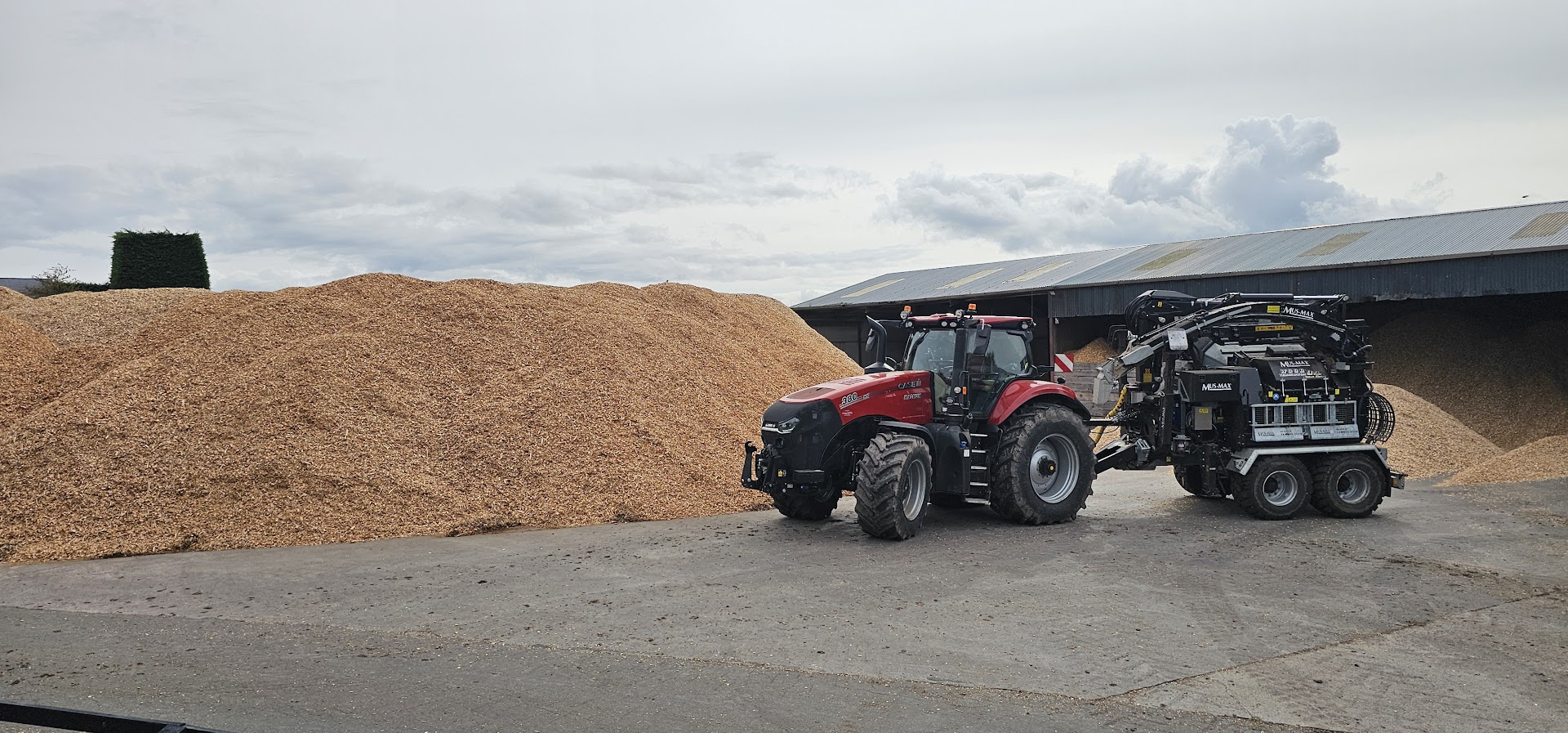
McCauley Wood Fuels approach
McCauley Wood Fuels treats wood chip as part of the heat system. Before agreeing supply, the company works to understand the boiler, fuel store, site access, annual demand and operating requirements.
Certification
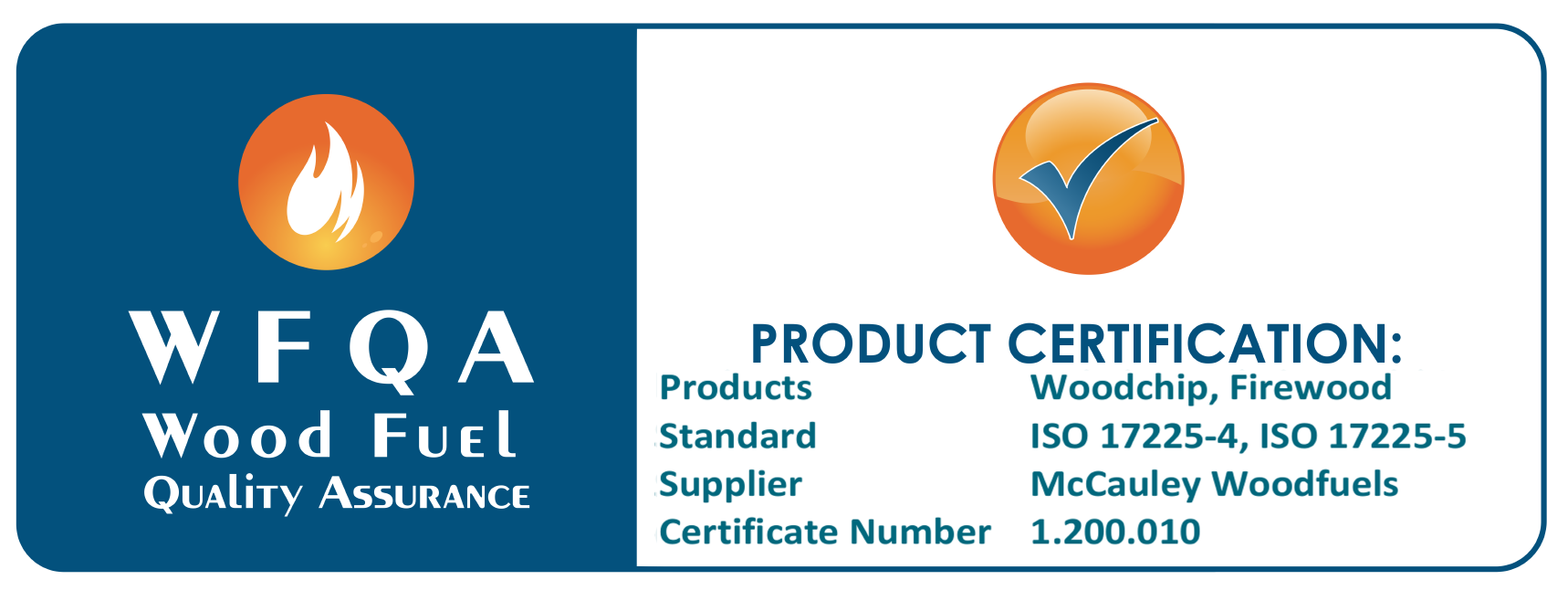
McCauley Wood Fuels is a WFQA certified wood fuel supplier. Certification supports a professional approach to fuel specification, consistency and recognised wood fuel standards.
FAQ
Ask about fuel specification, moisture content, particle size, contamination control, storage, delivery planning, winter supply and boiler suitability.
Not necessarily. Commercial buyers should consider fuel quality, useful energy, boiler reliability, delivery planning and long-term supply confidence, not only price per tonne.
Moisture content is very important, but it is not the only factor. Particle size, consistency, contamination, storage and boiler suitability also matter.
Yes. A good commercial biomass supplier should understand the boiler, fuel-feed system, fuel store and operating requirements before agreeing supply.
Yes. McCauley Wood Fuels can discuss your site, boiler, fuel store, current supply experience and long-term fuel requirement.
Fuel supply
Speak with McCauley Wood Fuels about wood chip specification, moisture content, delivery planning and long-term renewable heat supply.