Moisture content
Moisture content affects usable energy, combustion behaviour and fuel handling. A controlled moisture specification supports more predictable boiler operation.
 Request a quote
Fuel quality & specification
Every biomass boiler depends on consistent fuel. Moisture content, particle size, contamination and storage all influence how reliably a commercial biomass system performs.
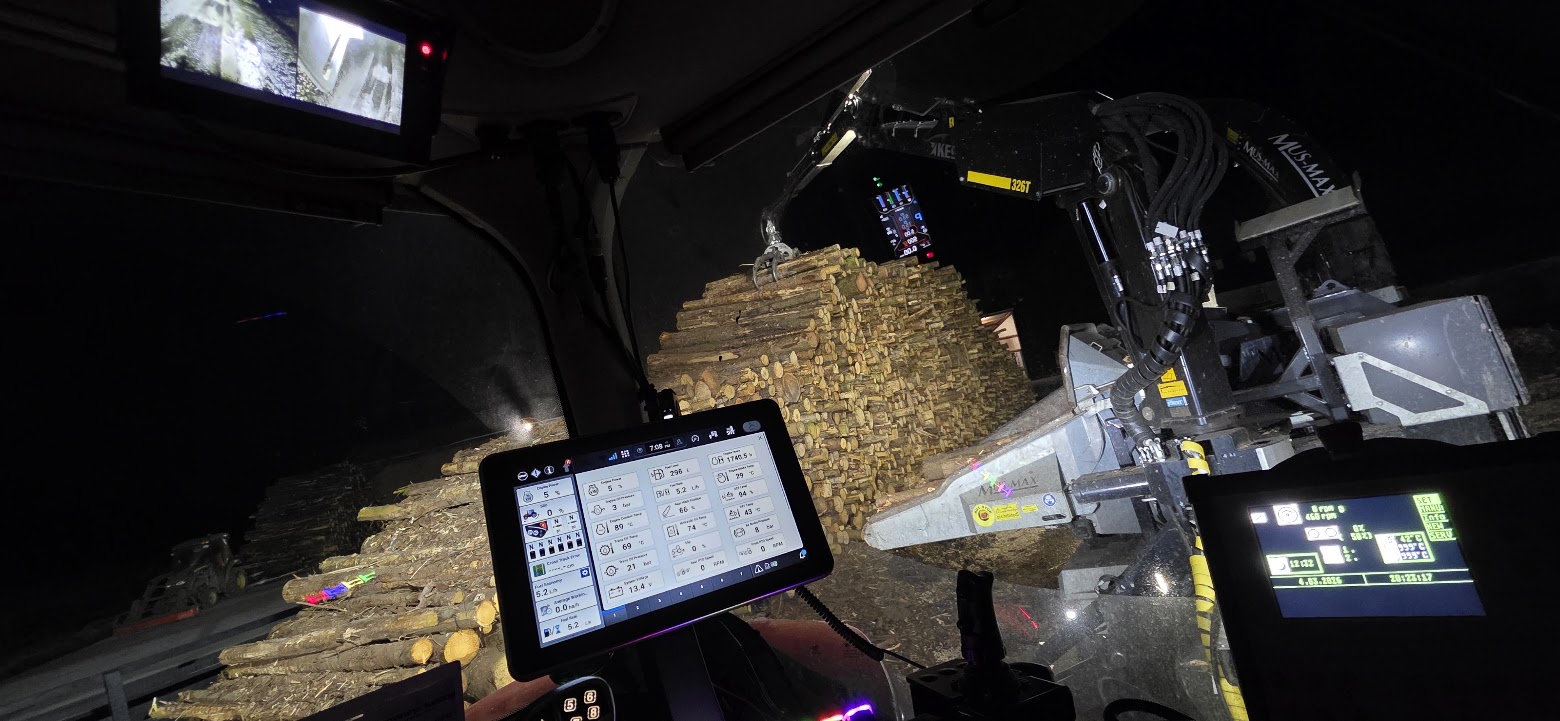
Commercial boiler fuel
To the eye, two loads of wood chip may appear similar. In a biomass boiler, they can perform very differently. Commercial fuel quality is determined by interacting characteristics including moisture content, particle size, particle consistency, contamination, ash content, storage and handling.
Quality factors
Moisture content affects usable energy, combustion behaviour and fuel handling. A controlled moisture specification supports more predictable boiler operation.
Fuel that is too coarse, too fine or inconsistent can affect feeding systems, bridge in stores or create operational issues.
A commercial boiler performs best when each delivery is predictable. Consistency supports efficient operation and simpler maintenance planning.
Stone, soil, metal, oversized material and unsuitable fines can cause avoidable wear, blockages and downtime.
Fuel quality does not end at delivery. Ventilation, drainage, stock rotation and fuel-store design all influence how biomass performs before it reaches the boiler.
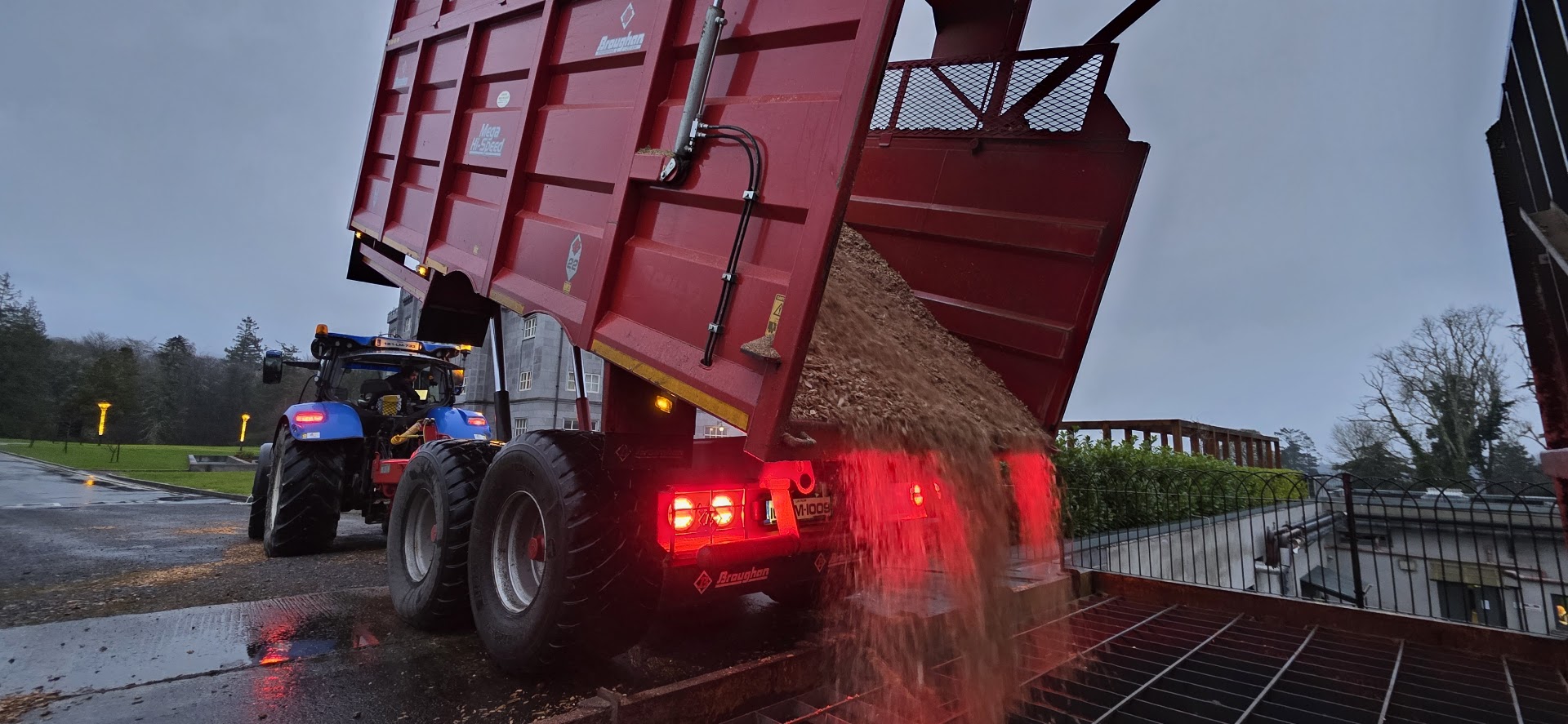
Moisture content
Higher moisture reduces usable energy per tonne and can make combustion and handling less predictable. The right moisture level depends on the boiler and system design, but commercial users generally need a fuel supply that is managed, not guessed.
Our standard commercial product is specification-led wood chip, generally supplied at approximately 25% moisture content where suitable, subject to customer requirements and agreed specification.
Particle size
Every boiler and fuel-feed system has an acceptable fuel grade. Fuel that is too coarse may bridge in stores or feed systems. Excessive fines can affect combustion behaviour and increase dust.
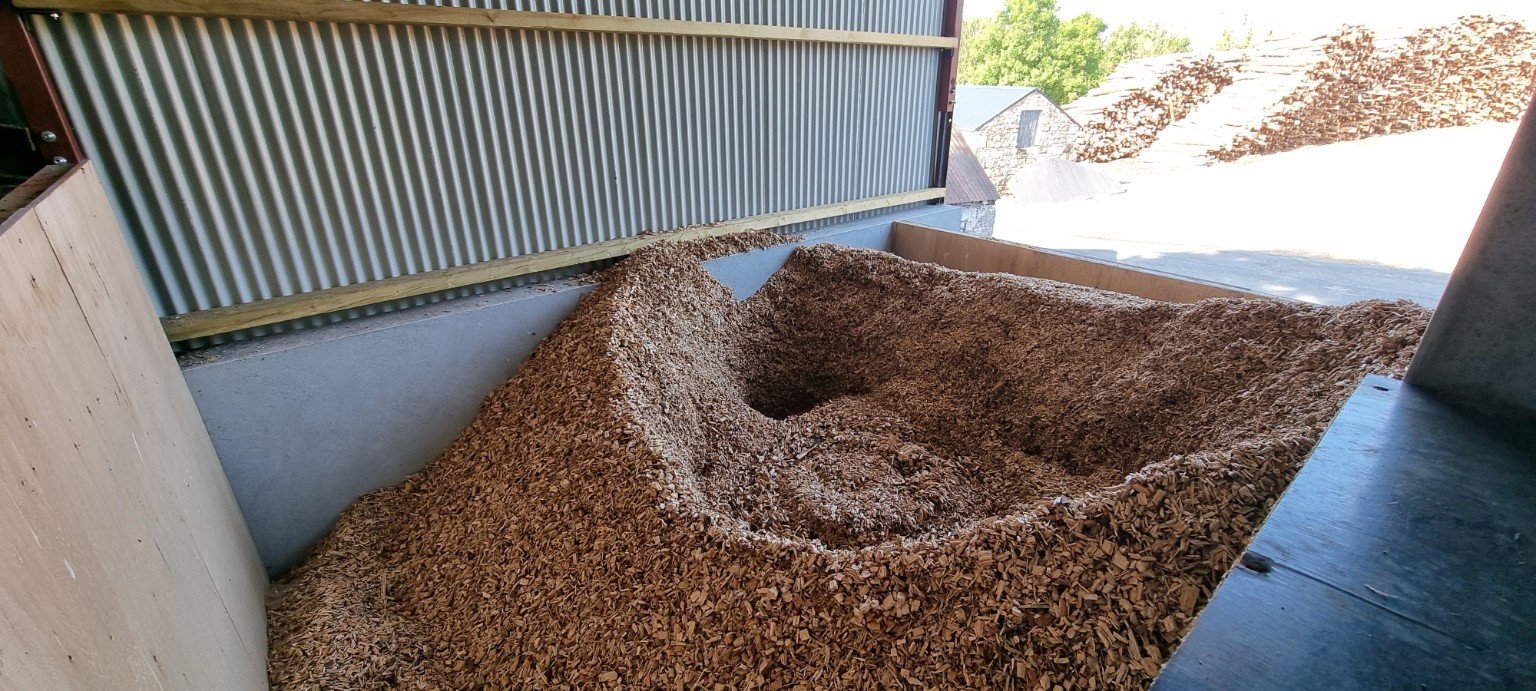
Process
Quality cannot be inspected into fuel at the final stage. It has to be managed throughout sourcing, processing, drying, handling, storage and delivery.
Suitable raw material
Careful handling
Storage management
Routine quality assessment
Certification
McCauley Wood Fuels is a WFQA certified wood fuel supplier. Certification supports a disciplined approach to fuel specification, consistency and recognised wood fuel standards including I.S. EN ISO 17225.
Correct specification
Every biomass installation is different. Before agreeing supply, McCauley Wood Fuels considers the boiler manufacturer, boiler output, fuel-feed system, storage arrangement, annual consumption, seasonal demand and delivery access.
Supply the right fuel for the right boiler.
FAQ
McCauley Wood Fuels can discuss recognised and legacy specification terms including P16, P31, P45, G30 and G50, alongside moisture content and boiler suitability.
There is no single correct figure for every boiler. Many commercial systems perform well with fuel around 25% moisture content, but the correct specification depends on the equipment and operating conditions.
Not necessarily. Consistency and suitability for the boiler are generally more important than pursuing the lowest possible moisture content.
Poor-quality or inconsistent fuel can increase wear, feeding problems, combustion instability and cleaning requirements.
Yes. McCauley Wood Fuels can discuss your boiler, fuel-handling system and operating requirements before recommending an appropriate commercial fuel specification.
Fuel specification
If you are reviewing an existing fuel supplier, commissioning a new biomass boiler or want confidence that your current specification is appropriate, speak with McCauley Wood Fuels.