
Resource Centre article

Commercial wood chip moisture content explained.

A practical guide to how moisture content affects biomass boiler fuel quality, useful energy, handling, storage and reliable renewable heat.

Wood chip drying and processing equipment for commercial biomass fuel

Moisture content

Why moisture content matters.

Moisture content is one of the most important characteristics of commercial wood chip. It affects how much useful energy is available from each tonne, how the fuel burns, how it handles in the store and how predictably the biomass boiler operates.

The basics

What does moisture content mean?

Moisture content describes how much water is present in the wood chip. Freshly harvested timber can contain a high proportion of water. Drying reduces that moisture and helps create a more predictable commercial biomass fuel.

For commercial heat users, the practical question is not only whether chip is dry. It is whether the fuel specification suits the boiler, storage arrangement and operating pattern.

Energy value

Wet chip delivers less useful heat.

A tonne of wet chip contains more water and less usable fuel energy than a tonne of dry chip. Some of the boiler's energy is used to evaporate water before useful heat is delivered to the system.

Higher moisture reduces useful energy per tonne

Wet chip can make combustion less predictable

Drier chip generally improves fuel value

Consistency matters as much as the headline moisture figure

The correct moisture level depends on the boiler and fuel system

Boiler suitability

Is drier always better?

Not automatically. The best fuel is the fuel that suits the boiler, feed system, storage arrangement and operating conditions. Very dry fuel may not be necessary for every system. Consistency and suitability are usually more important than pursuing the lowest possible moisture content.

Commercial target

A practical commercial moisture range.

McCauley Wood Fuels' core commercial product is dry G30 wood chip, generally supplied at approximately 25% moisture content, subject to customer requirements and agreed specification.

The final moisture specification should be agreed around the boiler, fuel-handling system and operating requirements.

Read about G30 wood chip
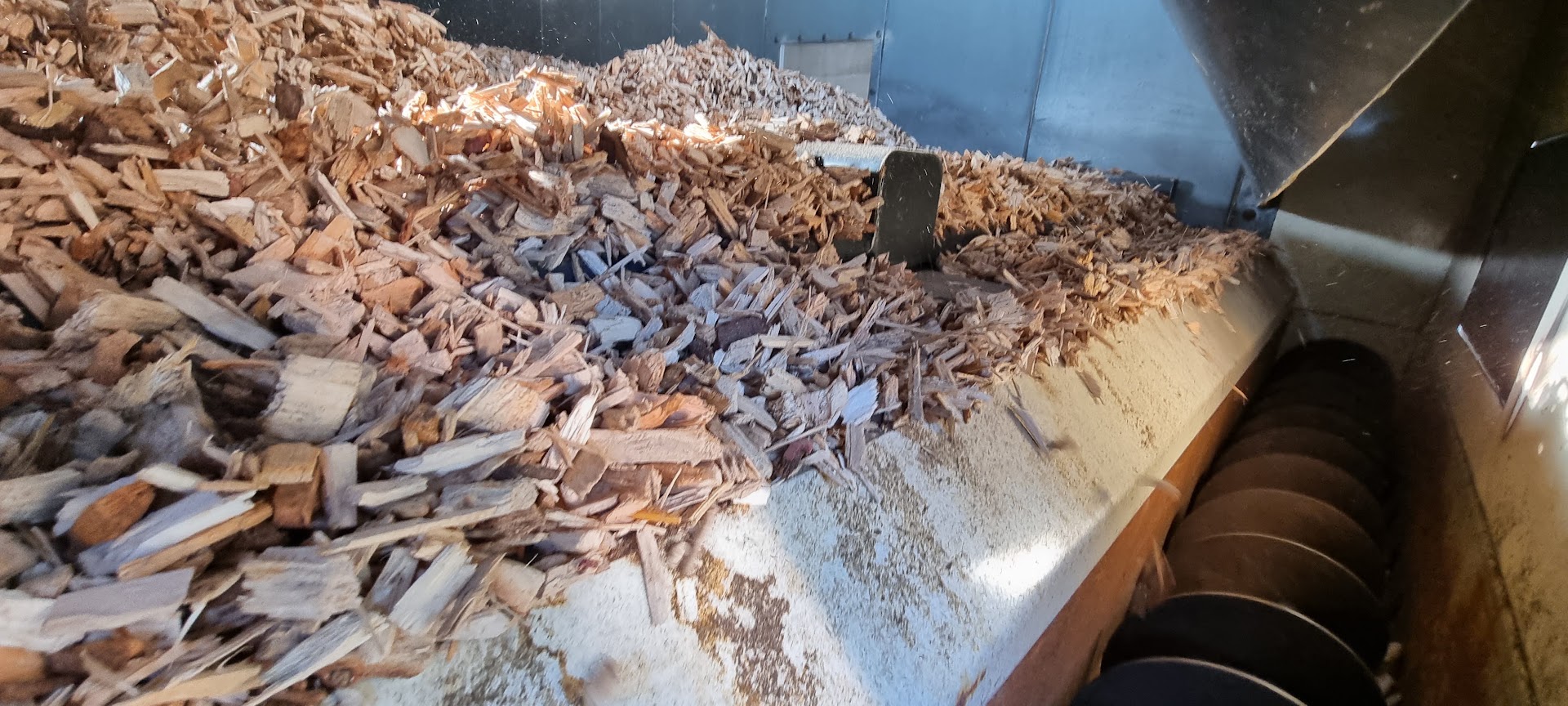
Commercial wood chip close-up showing consistent particle size and dry fuel quality

Boiler reliability

Moisture content affects boiler reliability.

Inconsistent or unsuitable moisture content can contribute to combustion instability, reduced efficiency, increased maintenance demand, feeding issues and avoidable downtime.

Moisture is not the only factor in boiler reliability, but it is one of the key fuel-quality controls.

Read about fuel quality

Storage

Fuel quality does not stop at delivery.

Wood chip can deteriorate if it is poorly stored. Fuel-store ventilation, drainage, stock rotation, water ingress and delivery practices all influence how the fuel performs before it reaches the boiler.

Keep fuel protected from rain

Avoid water pooling in the store

Support ventilation where possible

Rotate stock sensibly

Avoid contamination

Monitor recurring handling issues

Review fuel-store design if problems persist

Drying and management

Drying is part of moisture management.

Drying capability helps turn raw timber into more predictable commercial biomass fuel. Moisture management depends on raw material, chipping, drying, handling, storage and delivery planning.

Read about wood chip drying
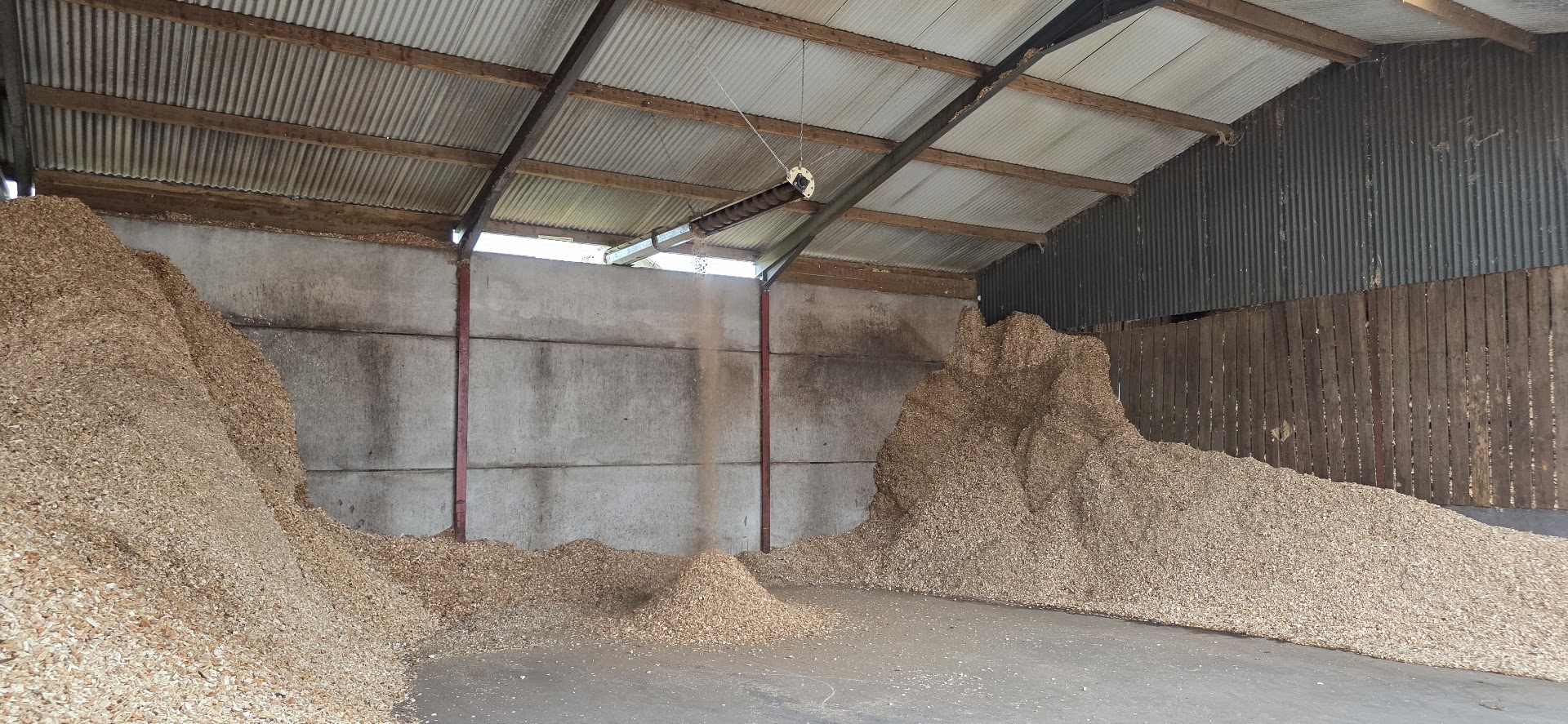
Wood chip drying and processing equipment used for moisture-managed supply

Supplier questions

Questions to ask about moisture content.

What moisture range is being supplied?

Is the moisture specification agreed or assumed?

How consistent is the fuel across deliveries?

Is the chip suitable for the boiler?

How is the fuel stored before delivery?

What happens if the boiler has recurring fuel issues?

Does the supplier understand the boiler and fuel-store arrangement?

McCauley Wood Fuels approach

Moisture-managed commercial supply.

McCauley Wood Fuels treats moisture content as part of the overall fuel specification. Before agreeing supply, the company works to understand the boiler, fuel store, site access, annual demand and operating requirements.

Dry G30 commercial chip

Approximately 25% moisture subject to specification

Practical fuel advice

Wood chip drying capability

Delivery planning

Long-term supply relationships

FAQ

Commercial moisture content FAQs.

What moisture content should commercial wood chip be?

There is no single correct figure for every boiler. Many commercial systems perform well with wood chip around 25% moisture content, but the correct specification depends on the boiler, fuel-handling system and operating conditions.

Does wet wood chip have less energy?

Yes. Wetter chip contains more water, so less useful energy is available from each tonne and more energy is used evaporating moisture during combustion.

Can wood chip be too dry?

In some systems, extremely dry fuel may not be necessary or ideal. The important issue is matching the fuel to the boiler and maintaining consistency.

Is moisture content the only thing that matters?

No. Particle size, contamination, consistency, storage, handling and delivery planning also affect biomass boiler performance.

Can McCauley Wood Fuels advise on moisture specification?

Yes. McCauley Wood Fuels can discuss your boiler, fuel store, current fuel experience and operating requirements before agreeing a suitable commercial fuel specification.

Fuel specification

Need confidence in your wood chip moisture specification?

Speak with McCauley Wood Fuels about dry G30 wood chip, moisture content, boiler suitability and long-term supply planning.