Is G30 wood chip the same as garden chip?
No. G30 wood chip for biomass boilers is a commercial fuel product. It is not decorative garden chip, mulch or bagged landscaping material.
 Request a quote
Resource Centre article
A practical guide to G30 wood chip, commercial biomass fuel specification and why particle size matters for boiler reliability.
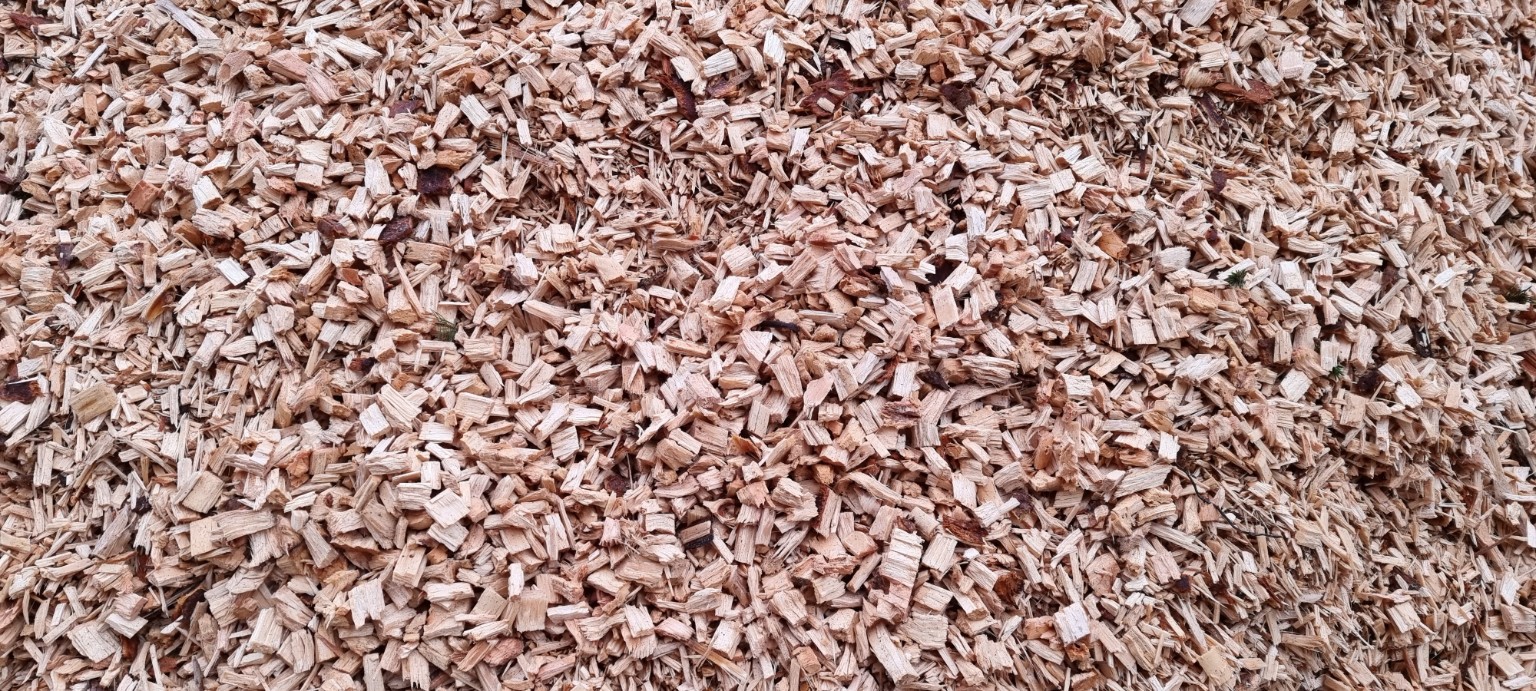
Fuel specification
G30 is a commonly used term in the biomass fuel market to describe a relatively small, consistent wood chip grade used in many commercial biomass boiler systems.
Different standards and boiler manufacturers may describe chip size and fuel requirements differently, so the important point is not the label alone. The fuel must suit the boiler, fuel-feed system and storage arrangement.
Particle size
A biomass boiler does not simply need wood chip. It needs fuel that can move through the store, extraction system, augers or conveyors and combustion chamber without avoidable problems.
Oversized chip can bridge or block
Excessive fines can affect feeding and combustion
Inconsistent chip can make boiler control less predictable
The right chip grade supports smoother operation
Fuel should match the boiler manufacturer's requirements
Complete specification
G30 describes the physical size profile of the chip, but fuel performance also depends on moisture content, contamination, consistency, ash behaviour, storage and delivery planning.
McCauley Wood Fuels' core commercial product is dry G30 wood chip, generally supplied at approximately 25% moisture content, subject to the agreed customer specification.
Boiler suitability
No single chip grade suits every biomass boiler. Some systems require a particular particle-size range, moisture level or fuel quality standard. Before changing supplier or specification, the boiler manual, installer, service provider and existing operating experience should be reviewed.
Commercial applications
Suitability depends on the boiler, storage arrangement, delivery access and agreed fuel specification.
Buying checklist
Boiler manufacturer's fuel specification
Acceptable particle-size range
Fuel-store design
Extraction and feed system type
Delivery access
Annual fuel requirement
Storage ventilation and drainage
Operational risk
Poorly matched or inconsistent wood chip can contribute to handling issues, bridging, blockages, combustion instability, higher maintenance demand and avoidable downtime.
Fuel is not always the only cause of boiler problems, but it is one of the first practical factors worth checking when reliability is poor.
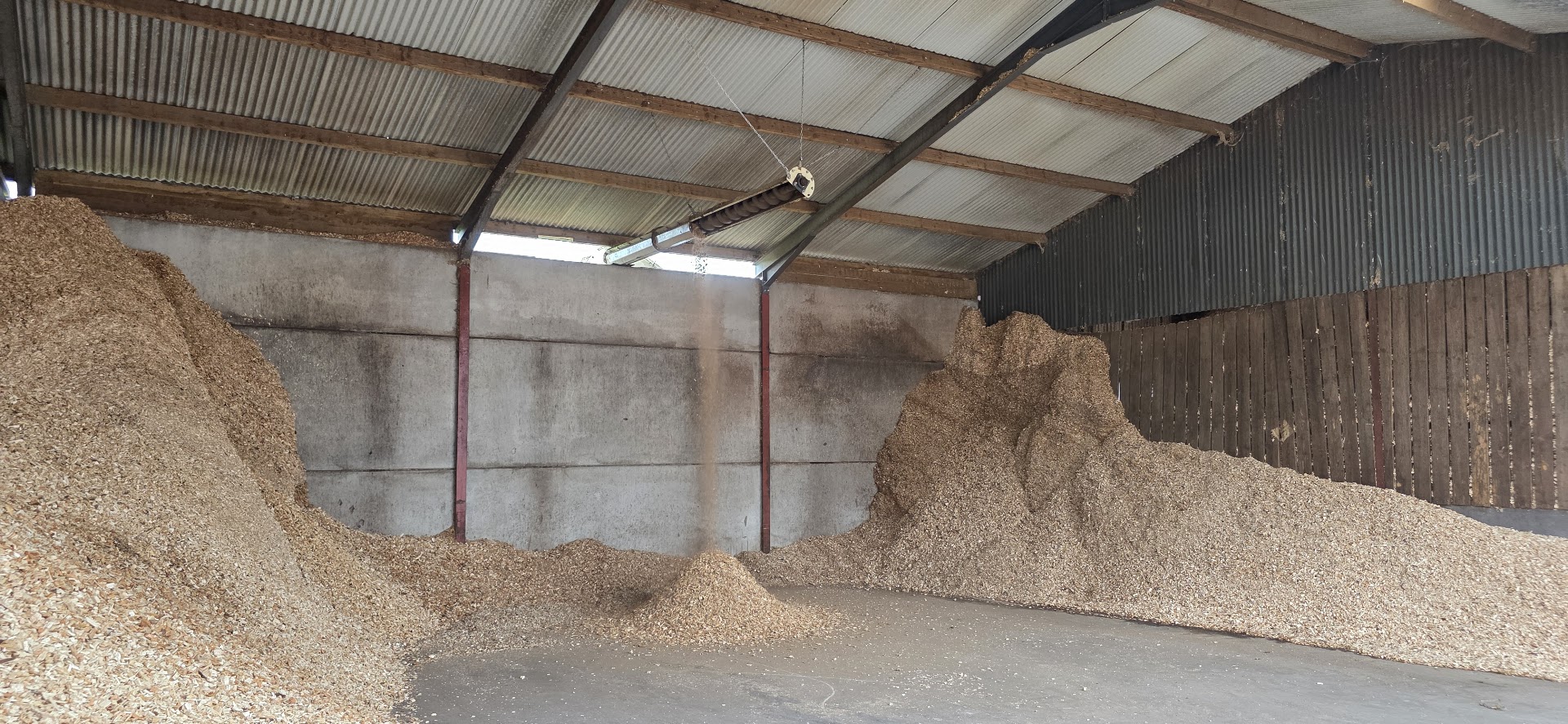
McCauley Wood Fuels approach
McCauley Wood Fuels treats commercial wood chip as part of the heat system. Before agreeing supply, the company works to understand the boiler, fuel store, site access, annual demand and operating requirements.
FAQ
No. G30 wood chip for biomass boilers is a commercial fuel product. It is not decorative garden chip, mulch or bagged landscaping material.
No. G30 relates to particle size. Moisture content is a separate part of the fuel specification.
Not necessarily. The correct fuel is the fuel that suits the boiler and handling system. Consistency and suitability are usually more important than chasing the lowest possible moisture content.
Not automatically. The boiler manufacturer's specification and the fuel-feed system should be checked before agreeing supply.
Yes. McCauley Wood Fuels can discuss your boiler, fuel store, current fuel experience and operating requirements.
Fuel specification
Speak with McCauley Wood Fuels about dry G30 wood chip, moisture content, boiler suitability and long-term supply planning.