
Resource Centre article
Wood chip specification explained.
A practical guide to ISO 17225, particle size classes, legacy terms, moisture content and boiler suitability for commercial biomass fuel users.
Why specification matters
Reliable heat starts with fuel that suits the boiler.
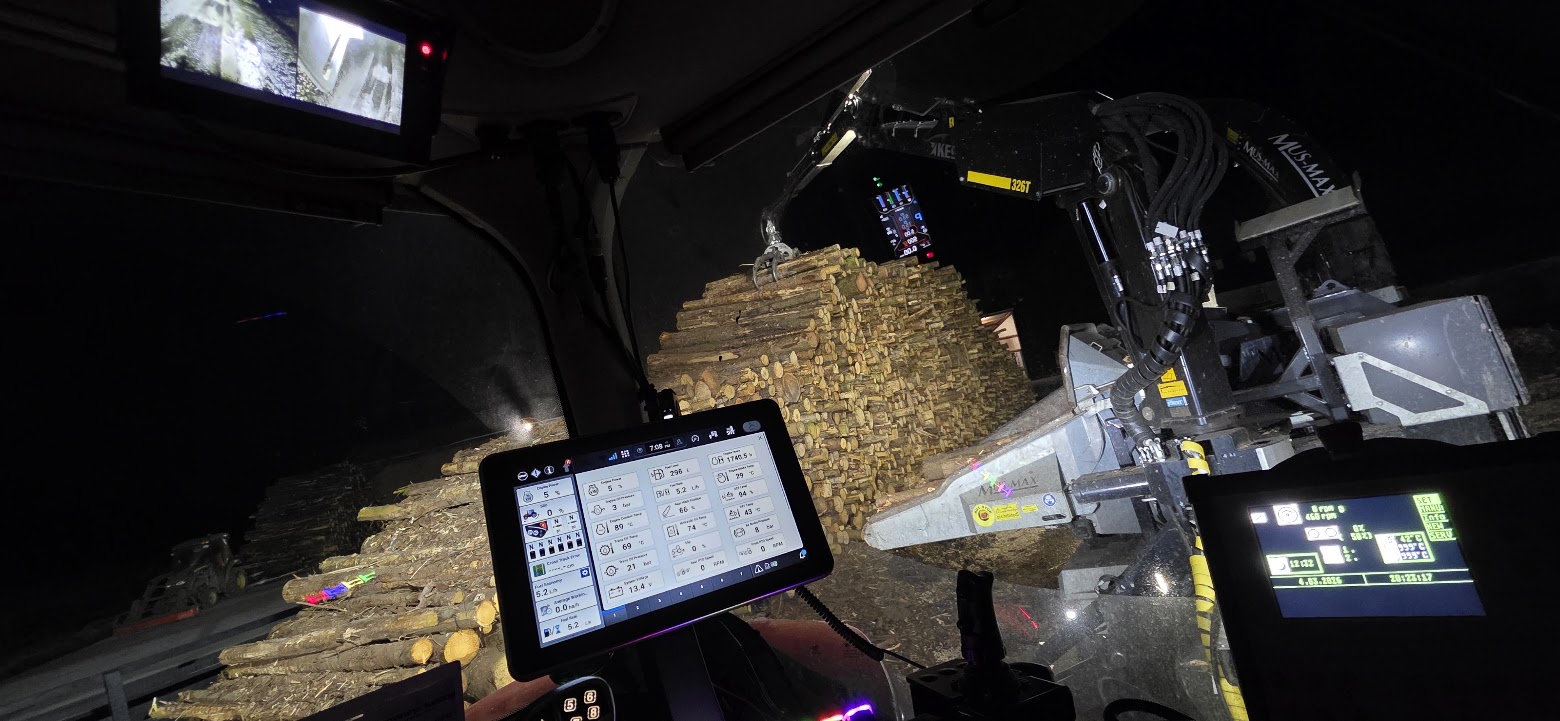
A biomass boiler does not simply need wood chip. It needs fuel with a suitable particle size, moisture content, consistency and handling profile for the boiler, fuel store and feed system.
Specification gives the customer and supplier a common technical language before supply begins.
ISO 17225 and wood fuel standards
Recognised standards bring structure to fuel quality.
I.S. EN ISO 17225 provides recognised solid biofuels fuel specifications and classes. For commercial heat users, this helps frame discussions around measurable characteristics rather than loose descriptions.
WFQA certification supports a professional approach to specification, consistency and recognised wood fuel standards.
Particle size classes
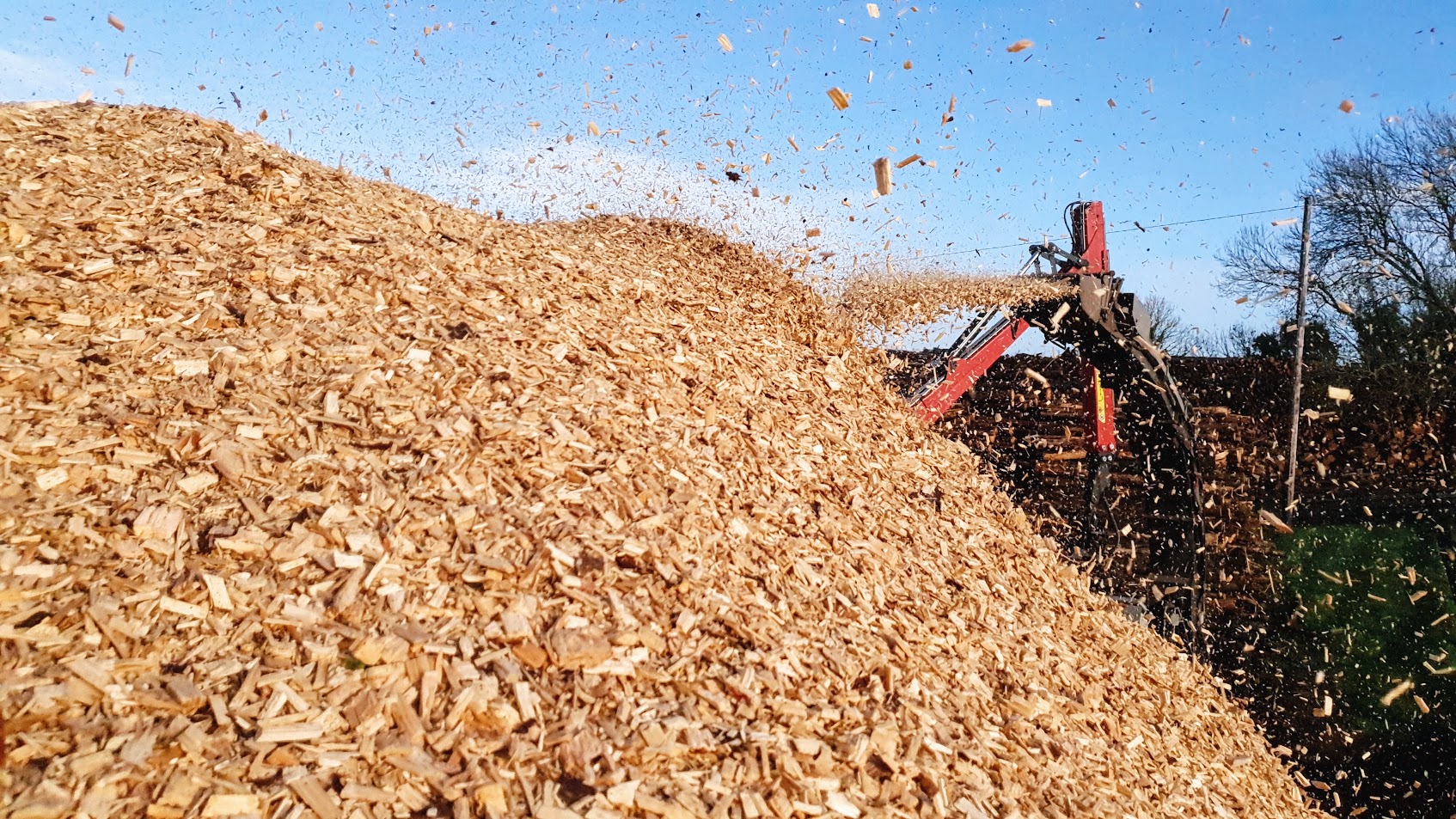
Particle size classes including P16, P31 and P45.
P16 is generally associated with smaller chip applications where the boiler and feed system require finer material.
P31 is a common reference point for many commercial wood chip systems, subject to exact boiler requirements.
P45 is associated with larger chip size ranges and may suit different fuel-handling systems.
The right class depends on the boiler manufacturer, feed system, fuel store and operating experience.
Legacy terms
Legacy terms including G30 and G50.
Terms such as G30 and G50 are still widely understood in parts of the biomass market. They can be useful shorthand, but they should not replace a proper agreed specification.
McCauley Wood Fuels can discuss recognised and legacy specification terms including P16, P31, P45, G30 and G50, then relate them back to boiler suitability, moisture content and supply planning.
Moisture content and boiler suitability
Size is only one part of the fuel specification.
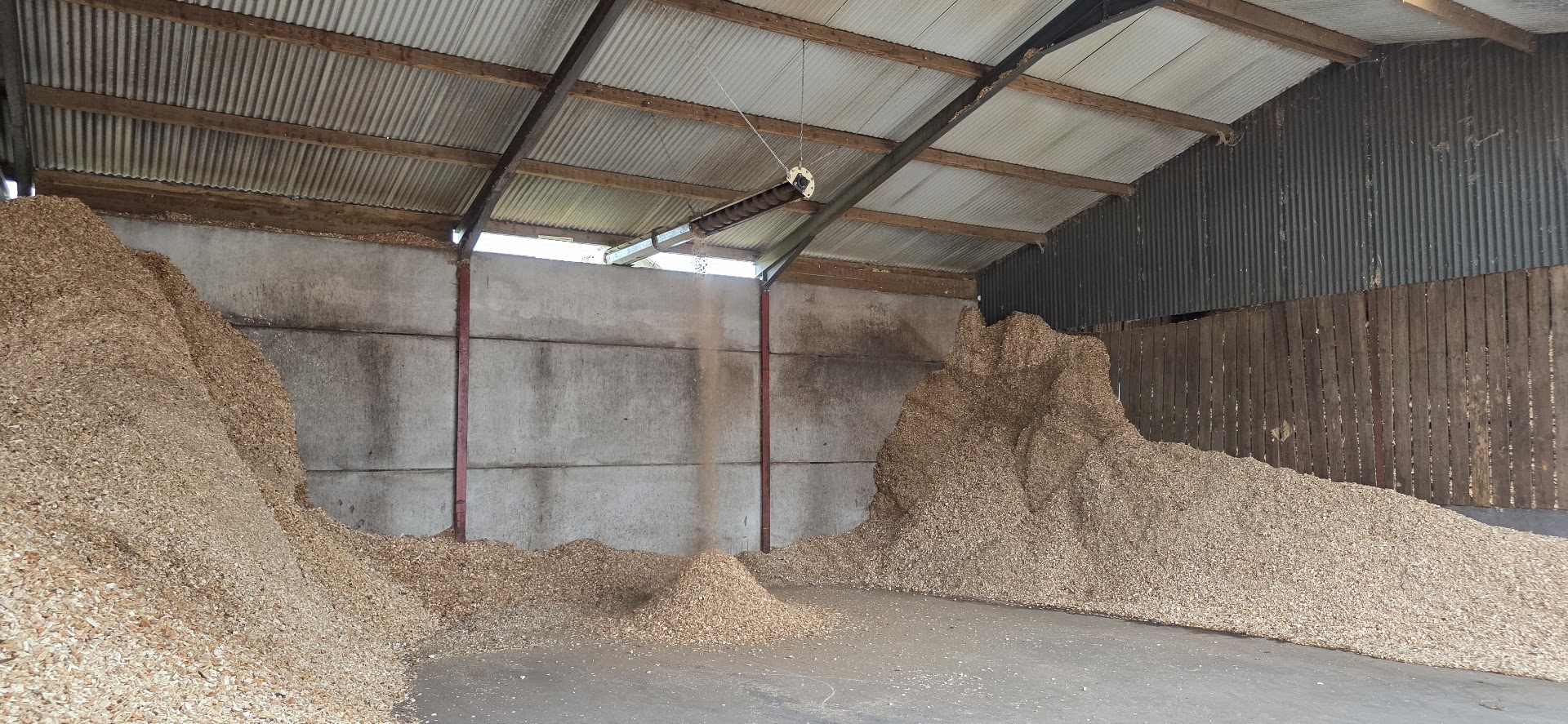
Moisture content affects usable energy, combustion behaviour and fuel handling. The right moisture level depends on the boiler and system design. Many commercial systems perform well with fuel around 25% moisture content, but suitability matters more than a single number.
What to confirm before agreeing supply
Confirm the practical details before the first delivery.
Boiler manufacturer and model
Required particle size class or legacy reference term
Fuel-feed and extraction system type
Fuel store capacity, ventilation and access
Delivery vehicle access and tipping arrangement
Annual and seasonal fuel demand
Existing fuel problems or boiler reliability concerns
McCauley Wood Fuels approach
Specification-led supply for commercial heat users.
McCauley Wood Fuels treats commercial wood chip as part of the heat system. Before agreeing supply, the company works to understand the boiler, fuel store, site access, annual demand and operating requirements.
- WFQA certified wood fuel supplier
- Specification agreed before supply
- Moisture-managed commercial fuel
- Particle size discussed against boiler suitability
- Delivery planning and long-term supply relationships
Fuel specification
Need to confirm the right wood chip specification?
Speak with McCauley Wood Fuels about agreed specification, moisture content, particle size, boiler suitability and delivery planning.